I once believed these common myths about 1.25 reading glasses myself. Let me share the real story. It's easy to grab the first pair of 1.25 readers you see, assuming they're all created equal. That assumption couldn't be further from the truth. Making the wrong choice can lead to eye strain or simply waste your hard-earned money. I'm here to set the record straight. It's time to see what truly makes a difference for your eyes.
Many assume shopping for 1.25 reading glasses is straightforward—any inexpensive pair should work. "They all magnify the same, don't they?" is a frequent justification. This mindset often leads people to choose the cheapest option available, overlooking essential factors.
Picture this: you buy a low-cost pair. The hinges feel wobbly right out of the box. The lenses scratch at the slightest touch. When you put them on, the view is distorted and blurry instead of sharp. Your eyes grow tired after just a short while. You might shrug and think, "You get what you pay for." But here's what often goes unmentioned: poor-quality readers can increase eye strain rather than relieve it. They may have lenses that are improperly aligned or lack protective coatings, potentially leading to headaches and discomfort. You'll likely need to replace them soon, costing you more over time.
The reality is that quality absolutely matters. Well-made 1.25 reading glasses are crafted for longevity and comfort. They feature sturdier frame materials and lenses that offer clearer, more consistent vision. As one satisfied customer remarked, "First time ever to get an eye exam. Everyone was kind and explained the process well. Recommend highly!" This highlights how a positive professional experience sets a benchmark. Your reading glasses should deliver that same standard of care and quality. Good frames and lenses prevent strain and allow for hours of comfortable reading, ensuring you feel your money was well spent.
Verdict: Avoid grabbing any random pair. Seek out robust frames, clear optics, and solid construction.
Conversely, some believe that high-quality 1.25 reading glasses require a significant investment. The logic is that a higher price tag must indicate superior quality. This isn't necessarily the case. A steep price doesn't always translate to greater value. Sometimes, you're merely paying for the brand name, not for better craftsmanship.
Imagine purchasing a very expensive pair, expecting perfection. Then, after a month, the anti-glare coating begins to peel. Or perhaps the frames feel uncomfortably heavy. You're left feeling short-changed, having paid a premium for a product that still let you down. This experience can leave you unsure about what price is actually reasonable.
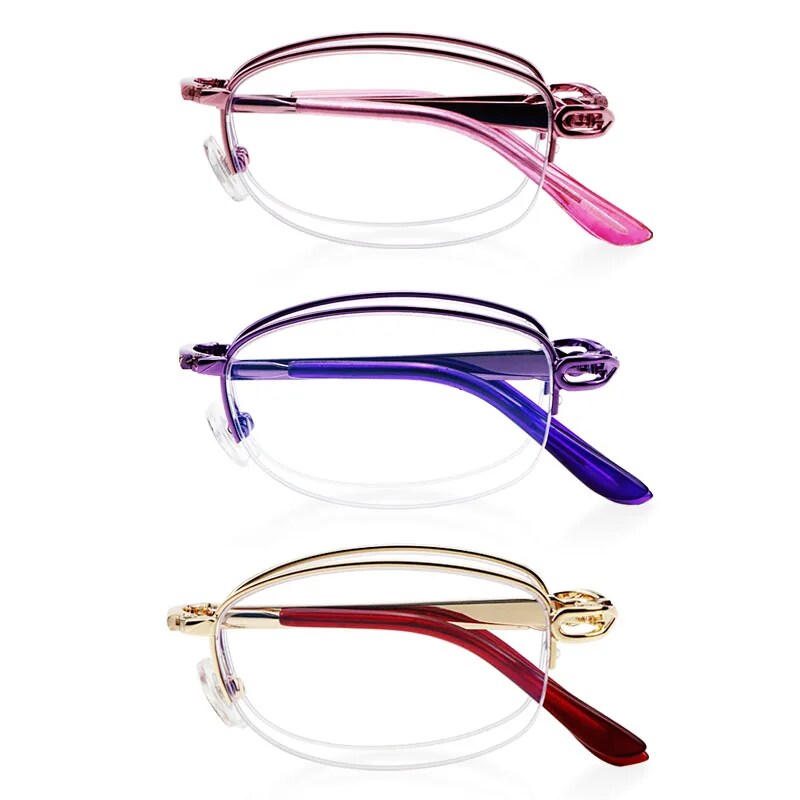
The key is to strike a balance between cost and quality. There's no need to overspend, but you should also steer clear of the rock-bottom cheapest options. Focus on features that provide genuine value. For instance, Mozaer offers a 3 Pack of Folding Reading Glasses with blue light blocking and anti-UV glare. These features offer real eye protection, which is far more valuable than a prestigious logo. Another customer who appreciated good service shared, "Alex did a wonder job with replacing a screw on my son’s glass. I definitely recommend him." This underscores the importance of customer support and repairable quality, which indicate lasting value. A worthwhile product blends useful features with fair pricing.
Verdict: Pay attention to features and authentic customer feedback, not just the price.
A widespread belief is that 1.25 reading glasses are solely for reading books or tiny text on labels. People often think that if their distance vision is fine, they don't need readers for computer work or other daily close-up tasks. This narrow view limits the potential benefit of the glasses.
Someone might buy readers exclusively for books, only to find their eyes still ache after a long day at the computer. They wonder why their "reading" glasses aren't helping with screen time, questioning if they need a different prescription or have worsening eyesight. They may not realize that many everyday activities contribute to digital eye strain.
Here's the untold part: modern 1.25 reading glasses are far more versatile. Many now include features like blue light blocking and anti-UV glare. These are crucial for screen use. Hours spent on computers, tablets, and phones expose your eyes to potentially harmful blue light, which can lead to digital eye strain, headaches, and disrupted sleep. Glasses with blue light filtering can make a significant difference. The Mozaer 3-pack is explicitly marketed as "Foldable Computer Spring Hinge Readers," signaling they're designed for your digital life, not just printed material.
Verdict: Use your 1.25 reading glasses for screens and all close-up tasks, not just traditional reading.