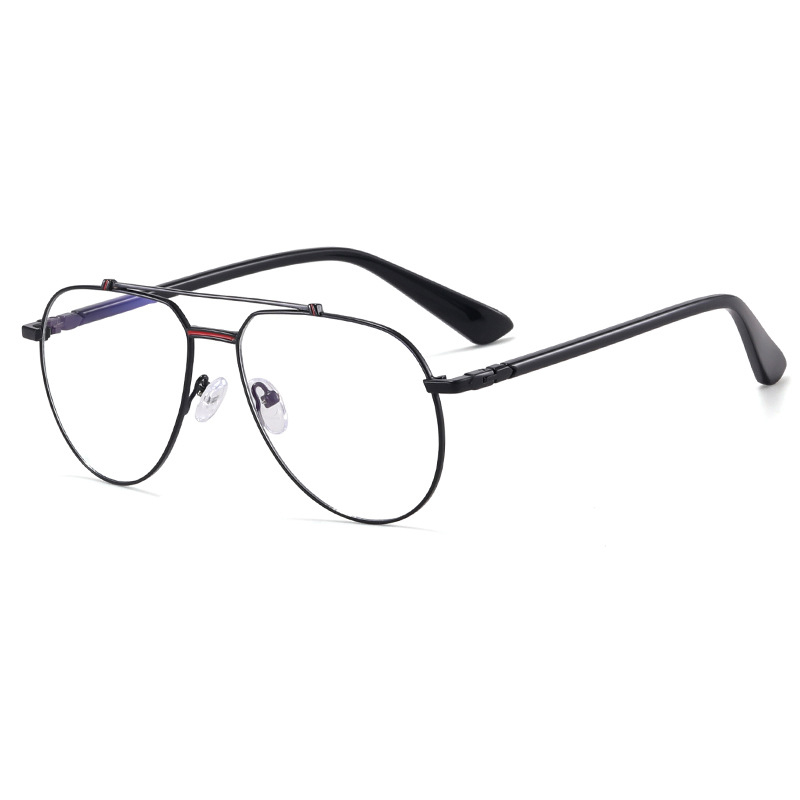
For years, I struggled. My eyes needed help to read menus, books, and phone screens. I was constantly buying new women's stylish reading glasses, hoping each pair would finally be "the one." But they never were. Over time, I must have spent hundreds of dollars on cheap pairs that broke, scratched, or simply didn't work properly. It felt like a never-ending cycle of disappointment and wasted money. Every time a new pair failed me, that familiar pang of regret would hit all over again.
Just think about it: If you buy a $20 pair of glasses every three months, that adds up to $80 a year. Over five years, that's $400! And that doesn't even account for the time wasted squinting or the frustration of a broken hinge right when you need to read something important. I used to believe all reading glasses were essentially the same. Boy, was I ever wrong.
My first major regret was constantly purchasing super cheap reading glasses. The low price was always so tempting. I'd tell myself, "It's just a few dollars, what's the harm?" The harm was very real. I remember one pair I bought that was advertised as "durable." Within two weeks, a lens popped right out. Another pair had hinges so flimsy they snapped clean off when I simply took them out of my bag. It was like throwing money away, pair after pair.
This exhausting cycle of buying, breaking, and replacing left me constantly wondering if there was a better way to find good women's stylish reading glasses that would actually last.
Verdict: Super cheap often means low quality. You end up spending more in the long run by having to replace them constantly.
Another big regret was falling for clever marketing. Websites would display beautiful photos of stylish reading glasses, promising "ultimate clarity" or "unbeatable comfort." I'd order them, filled with excitement, only for them to arrive looking nothing like the pictures. The colors were off, the frames felt plasticky and cheap, and the promised "clarity" often just meant blurry vision at the edges.
I specifically remember buying a pair advertised as "photochromic," meaning the lenses were supposed to darken in the sun. I thought, "How convenient!" But when I wore them outside, nothing happened. They stayed completely clear. It was incredibly frustrating to feel tricked into buying something that didn't deliver on its promises.
Verdict: Don't trust stock photos alone. Look for real customer photos and honest reviews to understand what a product is truly like.
My third regret was simply not doing my homework. I’d rush into buying new glasses the moment my old ones broke, or because I just needed a quick fix. I never stopped to consider what features truly mattered in a good pair of women's stylish reading glasses. I was unaware of the differences in hinge types, what "photochromic" really meant when it worked correctly, or even how crucial it was to get the right diopter strength for my eyes.
I just grabbed whatever looked "good enough" or was on sale. This led to uncomfortable glasses that pinched my nose, or lenses that gave me headaches because the diopter wasn't quite right. My vision correction is important, and I was treating it like an impulse buy at the grocery store.
Action Step: Take the time to understand your needs. Research features like spring hinges for comfort, photochromic lenses for versatility, and always double-check your diopter strength.